
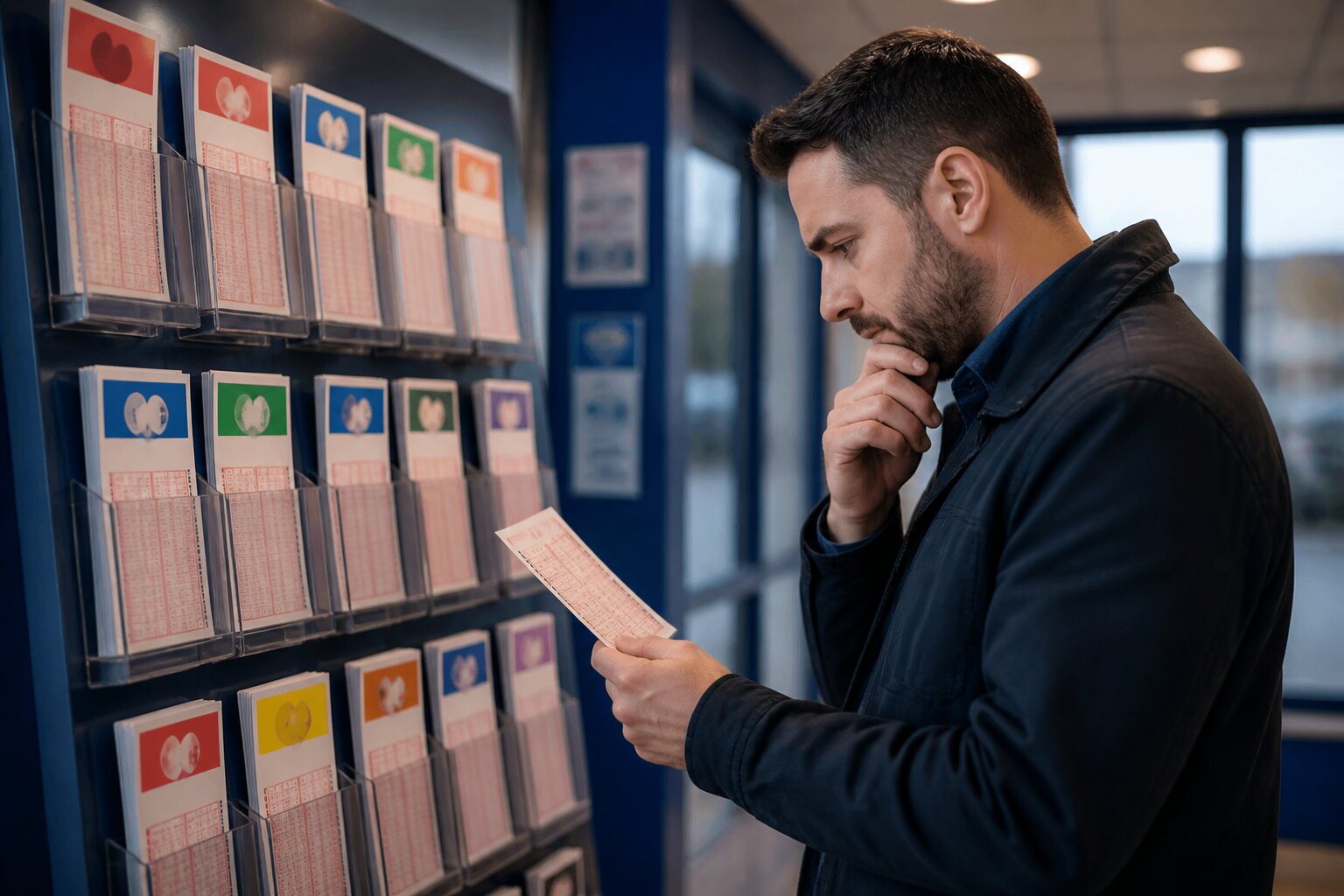
Dreaming of a life-changing win? You're not alone. With so many lotteries available, big jackpots can easily steal the spotlight, but the size of the prize isn’t the only factor worth weighing.
If you want to play more deliberately, understanding the odds is the sensible first step. This guide explains how those odds are worked out, compares common games and helps you choose a lottery that suits your preferences and budget.
How Are Lottery Odds Calculated?
Odds are based on the number of possible combinations of the numbers you must pick compared with the pool of numbers available. In a typical six-from-49 game you choose six numbers from 49; the total combinations are calculated using combinations mathematics, which shows every possible six-number set. That figure becomes the denominator in the chance of matching all six.
Different formats change the formula. If a draw asks you to select numbers from more than one set, or to add a bonus number, the total number of combinations rises. That affects the odds for each prize tier: matching a few numbers is usually far more likely than matching every number for the top prize.
Draws are random and each entry has the same mathematical chance within a single game. With that basis in mind, it helps to compare the specific formats of the games you’re considering, since structure and pool size are the key drivers of how easy or hard it is to win. This leads naturally into the factors that most affect your chances.
Key Factors That Affect Lottery Odds
The size of the number pool is the biggest influence on your likelihood of winning. A larger pool produces exponentially more combinations, so top prizes become harder to hit as the pool grows.
Game format is another major factor. Requiring extra numbers — for example a separate set of star or bonus numbers — multiplies the number of potential combinations and generally reduces the chance of securing the top prize. Conversely, simpler formats with fewer numbers tend to offer better odds, even if the top prize is smaller.
Prize structure matters too. Some games roll over jackpots when there’s no winner, which increases the headline prize but not the underlying odds. Others have fixed top prizes that do not grow, producing a more predictable return profile.
Understanding these factors makes it easier to compare different draws and sets you up to assess which game aligns with your priorities — whether that’s a larger chance of a modest prize or the appeal of a rarer, higher-value jackpot.
Comparing Popular UK Lotteries: Which Offers the Best Odds?
Several established UK lotteries use different formats, so their odds vary considerably. Below are direct comparisons of some commonly played draws to illustrate how format affects the chances.
National Lottery Lotto vs EuroMillions
National Lottery Lotto requires picking six numbers from 59, with the odds of winning the jackpot (all six) at roughly 1 in 45 million. There are lower-tier prizes for matching fewer numbers, and the overall chance of winning any prize is about 1 in 9.3.
EuroMillions asks players to choose five main numbers from 50 and two star numbers from 12 (sometimes referred to in game materials with a specific name). That added layer extends the odds significantly: the jackpot odds are near 1 in 140 million, while the overall chance of winning any prize is around 1 in 13.
Set For Life vs Thunderball
Set For Life has a different appeal because of its prize type: matching five numbers from 47 plus one life-ball from 10 awards a long-term monthly payout. The odds of securing this top prize are about 1 in 15 million, and the overall odds of any prize sit at roughly 1 in 12.4.
Thunderball’s structure — five numbers from 39 plus a separate Thunderball from 14 — produces a top prize with much shorter odds, around 1 in 8 million, and an overall prize chance of about 1 in 13. That combination of smaller top prize and stronger odds is what draws many regular players.
These comparisons show how format and prize type trade off against one another: bigger pools and extra number sets make jackpots rarer, while simpler games often produce more frequent, smaller wins. Next, we’ll look at why those design choices differ between games.
Why Do Lottery Odds Vary Between Games?
Variations in odds are deliberate design choices rather than random quirks. The primary determinants are the number pool and how many selections a player must make. Adding extra number sets or bonus picks increases the total combinations, so games that include those elements have longer odds for top-tier prizes.
Prize distribution also plays a role. Organisers can offer larger jackpots by designing games where the top prize is harder to win, or they can aim for better overall chances and smaller top prizes. Sales volume affects how often big jackpots appear in rollover models but does not alter the mathematical odds of an individual ticket.
Those design differences create distinct player experiences: some games provide the thrill of infrequent, huge jackpots, while others focus on more accessible prizes. With that context, it’s useful to address a few common misconceptions that often colour how people judge their chances.
Common Misconceptions About Lottery Odds
A frequent myth is that particular numbers or patterns are somehow more likely to appear; in reality, each possible combination has the same probability in a fair draw. Similarly, buying many tickets increases the number of entries but does not guarantee a win; every draw is independent and each ticket faces the same mathematical chance.
The idea that systems based on past draws can improve results is also mistaken: patterns in historical outcomes don’t change the odds of future draws. Finally, while operators must meet strict regulatory standards for fairness and security, that transparency doesn’t alter the underlying probabilities — it simply means the game is run correctly and outcomes are trustworthy.
Clearing up these misconceptions helps set realistic expectations and makes choosing a game based on format and prize type more straightforward. With that cleared up, a practical question remains: is it better to play local or international lotteries?
Is It Better to Play Local or International Lotteries?
Local and international draws offer different trade-offs. National games typically have smaller number pools and simpler formats, which often results in better odds for top prizes and more frequent lower-tier wins. Prizes are generally more modest than those in multinational draws, but the balance between prize size and probability frequently appeals to players seeking more attainable outcomes.
International lotteries pool entries from multiple countries and usually use larger number ranges, creating the potential for much larger jackpots but much longer odds. Players who prioritise the chance of a very large headline sum may favour these games despite the reduced likelihood of winning.
Regulation and age restrictions apply to both types of game — play is limited to those 18 and over and all operators must adhere to required standards. Considering how each format aligns with personal aims brings us to how to settle on the best game for you.
How to Choose the Best Lottery for You
Choice comes down to personal preference and financial comfort. Decide whether you value a larger chance of a smaller prize or prefer to take a shot at a larger, rarer jackpot. Consider ticket price and how often you would participate: affordability over time is more important than a one-off outlay.
Think about prize type as well — some players find regular payments or guaranteed monthly sums more useful than a single lump sum, while others prefer the headline figure. Set sensible limits for spending and stick to them; this keeps play enjoyable without financial strain.
If you want, use available comparisons on the site to view odds and prize structures side by side, which can help make the practical differences clear as you choose where to play.
Summary: Finding the Best Odds When Playing the Lottery
Different lotteries are designed with different goals in mind, so odds vary according to number pools, game format and prize structure. Bigger jackpots generally come with longer odds, while simpler games tend to offer more attainable prizes. Choose games that match what you enjoy and what you can afford, and keep play within set limits.
All legitimate draws operate under regulatory standards and are restricted to players aged 18 and over. Make an informed choice, play within your means, and enjoy the experience as an occasional form of entertainment rather than a financial plan.
**The information provided in this blog is intended for educational purposes and should not be construed as betting advice or a guarantee of success. Always gamble responsibly.