
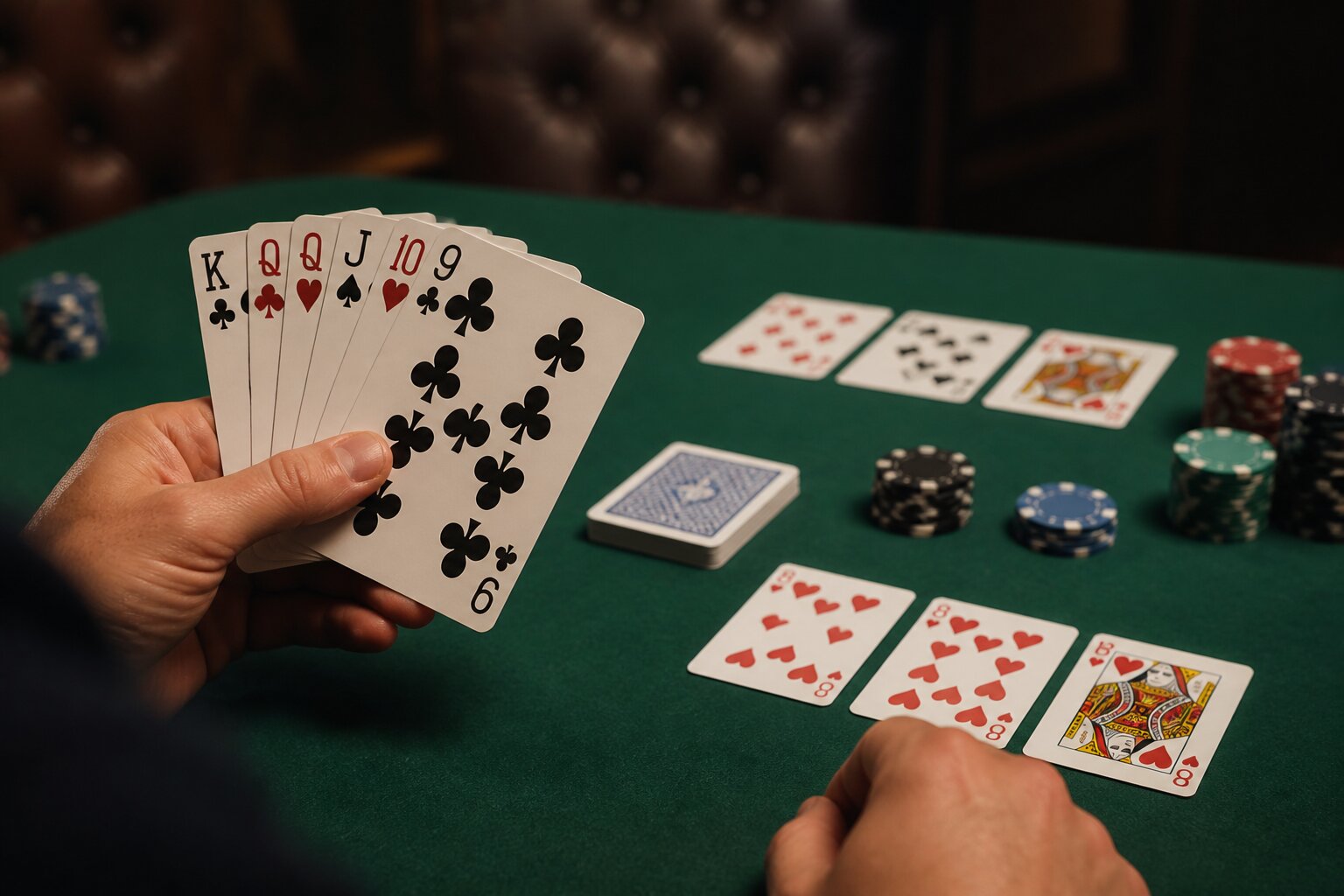
Ever played a game of cards and wondered what the real differences are between some of the classics? You might have heard the word “rummy” mentioned during a game of blackjack and wondered whether they are connected or just card-game confusion.
Blackjack and rummy both offer strategy and social interaction, but they follow very different rules and create different experiences. Knowing what sets them apart makes it easier to pick the game that suits your style.
If you want to clear up the mystery and see exactly how rummy and blackjack compare, read on for a clear, practical breakdown that keeps things simple and useful.
What Does "Rummy" Mean in Blackjack?
In blackjack, the term “rummy” is not part of the standard rules. It usually appears as informal jargon in home games or as an optional side bet in some non-regulated venues. Typically, a “rummy” describes a situation where your first two cards and the dealer’s face-up card form a run (for example, 7-8-9) or a set (three cards of the same rank). Where it is offered, players who placed a rummy side bet can receive a bonus payout for that combination.
Because this is not a standard feature, most licensed casinos and regulated online tables do not include a rummy option. If you encounter the term at a table, take a moment to read the specific rules for that game so you fully understand any additional bets or payouts.
How Does Blackjack Differ from Rummy?
Although both games use playing cards, their objectives and rhythms differ sharply. Blackjack is played against the dealer, with each round focused on reaching a value as close to 21 as possible without exceeding it. Decisions happen quickly: players choose whether to take another card or keep their current total, and each hand resolves in a matter of minutes.
Rummy is a multiplayer contest of organisation and planning. Players take turns drawing and discarding as they aim to form sets (same rank) and runs (consecutive cards of the same suit). Rummy rounds tend to be longer, since building a winning hand requires assembling multiple card combinations over several turns.
These contrasts shape the feel of each game: blackjack is immediate and decision-driven, while rummy rewards patience and hand management.
Card Values in Rummy vs Blackjack
The way cards are valued is one of the clearest differences between the two games. Below is a concise comparison to make those contrasts easy to spot.
In blackjack, each card has a fixed value for the purposes of the hand:
- Numbered cards (2 to 10) count as their face value.
- All face cards (Jack, Queen, King) count as 10.
- The Ace can count as either 1 or 11, depending on which benefits the hand.
Rummy uses card values mainly for scoring at the end of a round:
- Numbered cards (2 to 10) count as their face value.
- Face cards (Jack, Queen, King) are normally worth 10 points each.
- The Ace typically counts as 1 point, though some rummy variants allow it to be used as 11 within certain runs.
Always check the particular variant rules where you are playing, since small differences in scoring can affect strategy and final scores.
Rules Comparison: Rummy Versus Blackjack
Both games use a standard deck, but the rules and flow set them apart in practice. Blackjack deals a fresh hand to each player that is resolved against the dealer’s hand in a single round. Players compare totals to the dealer to determine payouts, and the emphasis is on choosing when to draw cards and when to stop.
Rummy centres on gradually reorganising a larger hand into valid combinations. Players cycle through drawing and discarding until someone lays down the required sets and runs, at which point points are tallied. Success in rummy comes from reading opponents’ discards, remembering which cards have been played, and planning sequences that leave minimal dead weight in the hand.
These structural differences influence what skills are rewarded: blackjack leans into probability assessment and split-second decision-making, while rummy values memory, sequence-building, and long-term planning.
Common Misconceptions About Rummy in Blackjack
Hearing the word “rummy” at a blackjack table can create confusion, so it helps to clear up a few myths. One widespread misunderstanding is that rummy is an official part of blackjack; in standard play it is not. Another is the idea that forming a “rummy” guarantees a better result in blackjack. In practice, any bonus tied to a rummy combination is separate from standard hand outcomes and depends entirely on whether that optional bet was placed.
Some people assume you can merge the two games into a single, superior hybrid that is widely accepted in casinos. While house rules or private games may experiment with variations, such hybrids are not part of regulated blackjack rulesets. If you prefer a specific mix of features, look for games that clearly describe their rules before you join.
Which Game Is More Popular in the UK?
Blackjack is commonly found in both land-based and online casinos in the UK and tends to attract players who favour quick rounds and clear decision points. Rummy is more often encountered in social settings, clubs, and private gatherings, where its longer play and focus on melding cards suit relaxed group play.
Trends shift with time and audience, but choice frequently comes down to the experience someone wants: immediate competitive rounds or a slower, more strategic multiplayer game. Whether you prefer one or the other, it’s sensible to play at reputable venues and to stick to limits you set for yourself.
Summary of Main Differences Between Rummy and Blackjack
The principal differences between rummy and blackjack arise from their aims and rhythms. Blackjack is a dealer-based game where short rounds and reaching a target value matter most. Rummy is a player-vs-player game that centres on assembling sets and runs over multiple turns. Card values and scoring reflect those aims: blackjack uses fixed card values geared to a single-hand total, while rummy applies point values to assess leftover cards after a round.
Whichever game you choose, enjoy the challenge each offers and make sure you play within any personal limits you set. If you want to try either at our site, we offer clear rules for each game so you can pick the style that suits you best.
**The information provided in this blog is intended for educational purposes and should not be construed as betting advice or a guarantee of success. Always gamble responsibly.