
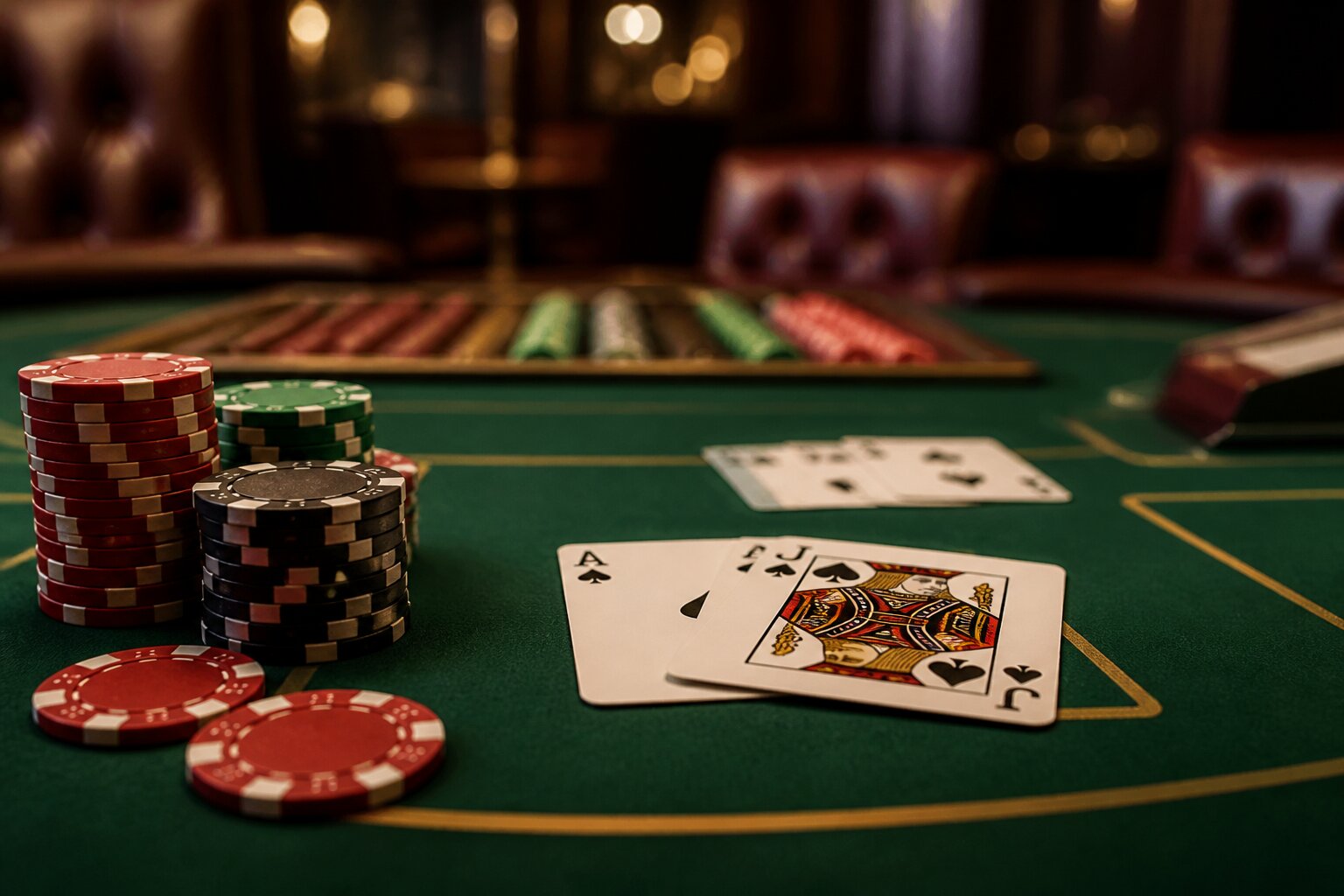
Ever found yourself at a blackjack table and heard someone shout, “Monkey!” just before the dealer turns over a card? If you were left scratching your head, you’re not alone.
Blackjack has picked up plenty of colourful slang over the years, and “monkey” is one of the quirkiest. Read on to learn what players mean by it, where the term comes from, and how it’s used at the table — you’ll pick up a neat bit of jargon to share next time you play.
What Is the Origin of the Term "Monkey" in Blackjack?
The term “monkey” traces back to Asian gambling culture, particularly in casinos across Macau and other parts of East Asia. There it became a shorthand for any card worth ten points — the 10, jack, queen or king.
English-speaking players and dealers borrowed the word because it’s short and easy to call out, and the usage spread as international players mixed. There isn’t a hidden meaning or technical definition beyond that: “monkey” simply names the ten-value cards that matter in many hands. Over time it moved into other markets, so it’s not unusual to hear it in various casinos worldwide.
Why Do Players Say "Monkey" at the Table?
Saying “monkey” is usually a light-hearted way to hope for a ten-value card, whether for the player’s hand or the dealer’s. It is part of table talk — a social cue that can liven the atmosphere and share a moment with others. In many cards rooms the phrase is simply a bit of harmless banter that helps keep the mood friendly and relaxed.
That said, it serves no tactical purpose. Blackjack outcomes are determined by how the cards are dealt and the rules in play; calling out a word will not alter the cards or the odds. Players who shout or chat should be mindful not to distract others or interfere with the game.
The phrase persists because players enjoy the shared language and simple camaraderie it brings to the table. For some, it is part superstition and part tradition; for others, it is just an amusing habit that links them to the wider community of players.
Remember to play responsibly and view table rituals as entertainment rather than a strategy for winning. The only ways to influence results are through the decisions you make within the rules and the inherent probabilities of the game.
Is "Monkey" Used in UK Blackjack Casinos?
You may hear “monkey” in UK casinos, but it is less common than in parts of Asia or North America. Many UK players use plain, direct language, yet tables with international visitors or regulars who have picked up the term might still hear it from time to time.
The word is informal slang rather than any official casino term. When people use it at the table they are usually speaking casually, often to refer to a specific card value or to add light banter to the game. It is not part of the rules or official terminology used by dealers or casino signage.
As with any table chatter, it is important that it does not disturb other players or interfere with the dealer’s duties. Dealers and floor staff will expect play to follow the venue’s rules and regulations, and they can ask players to stop using language or behaviour that causes a nuisance.
Remember to play responsibly and politely. UK casinos enforce age limits and regulatory requirements, so you must be 18 or over to gamble, and venues will intervene where behaviour breaches house rules or licensing conditions.
What Cards Are Considered "Monkeys"?
If you hear someone calling for a “monkey,” they mean a ten-value card. These specific cards are all treated the same in blackjack scoring, so the term helps players and dealers communicate quickly at the table.
Ten-Value Cards (The Real 'Monkeys')
The cards classed as “monkeys” are:
- 10 of any suit
- Jack of any suit
- Queen of any suit
- King of any suit
Each of these counts as 10 points, which is why they are so significant when players are building hands close to 21. Because they all have the same value, they are interchangeable for scoring and for talking about combinations such as blackjacks.
Non-Picture Cards and Misconceptions
A common misconception is that “monkeys” only refers to face cards. The plain 10 is included as well, so do not assume that the word excludes numbered tens.
Lower number cards (2 to 9) are never called “monkeys.” The ace is also not a monkey because it can count as 1 or 11 depending on the hand. Knowing this keeps conversations at the table clear and avoids confusion when other players call for or reference a ten-value card.
How Is Monkey Used in Other Casino Games?
“Monkey” turns up occasionally in baccarat too, where tens and face cards have special value rules. In that game the term is part of local jargon rather than an official rule, so its use can vary between casinos and tables.
Outside of those contexts it is rare; most casino games use their own established terms and jargon. You may hear “monkey” or similar slang in casual conversation at the table, but it will not alter the formal rules or outcomes of play.
Understanding where the term appears helps you follow table talk across different games and makes it easier to join in or politely ignore chatter that is not relevant to your play. Remember that slang is social language, not a feature of the rules, so it will never change how a game plays out.
If you are unsure whether a term matters for the game you are playing, ask the dealer or floor staff for clarification. They can confirm the official rules and any house-specific conventions so you can make informed decisions while playing.
Are There Myths or Misunderstandings About Monkey in Blackjack?
Several myths attach to gambling slang, and “monkey” is no exception. One persistent error is the belief that saying the word can influence which card appears. In truth, no spoken cue alters the card deal; outcomes are determined by the shuffle and the rules of the game, not by players’ words or rituals.
Another common misunderstanding is the idea that “monkey” refers only to face cards. As covered earlier, the 10 card is included alongside the J, Q and K. That distinction matters when players are learning hand values and making decisions at the table.
Some newcomers also assume using slang confers a strategic benefit. It does not. Real advantage comes from knowing the rules, understanding probabilities, and making informed choices within the game’s structure. Superstitions and rituals belong to the social side of play, not to skill or edge.
Finally, it is worth noting that while slang and rituals are part of casino culture, staff and venues may have policies about table behaviour and communication. Persistent distraction or inappropriate conduct can prompt a reminder from the dealer or floor staff. Responsible play and clear, courteous communication keep the game fair and enjoyable for everyone.
Common Slang Words in Blackjack Explained
It helps to know a few other standard terms you’ll hear at the table, since they come up more often than exotic slang.
Below are clear, everyday explanations of common words you might encounter:
- Hit: Asking the dealer for another card to add to your hand.
- Stand: Keeping your current hand and taking no more cards.
- Bust: When a hand exceeds 21 and is therefore out of the round.
- Double Down: Increasing your wager after the first two cards and taking one final card.
- Split: Turning a pair into two separate hands, each played independently with its own wager.
- Push: A tie between your hand and the dealer’s, returning your stake.
- Shoe: The device that holds and dispenses the cards at the table.
Familiarity with these terms makes table play smoother, whether you’re at a casino in the UK or playing online. They’re practical words that describe actions and outcomes rather than traditions or rituals.
Should You Use Blackjack Slang Like "Monkey"?
Using slang such as “monkey” is a matter of personal taste. Some players enjoy the informal tone it brings, while others prefer straightforward calls. Either choice is acceptable so long as it doesn’t interfere with the game or other players.
Good table manners matter: keeping your language clear, concise and respectful helps everyone enjoy the session. Also, remember to follow any local gambling rules and stay aware of your own limits; this keeps gaming an entertaining activity without unintended consequences.
If you like the relaxed banter, go ahead and use a term now and then. If you’d rather keep things simple, plain language is perfectly fine — the cards and the rules will do the talking for you.
**The information provided in this blog is intended for educational purposes and should not be construed as betting advice or a guarantee of success. Always gamble responsibly.