
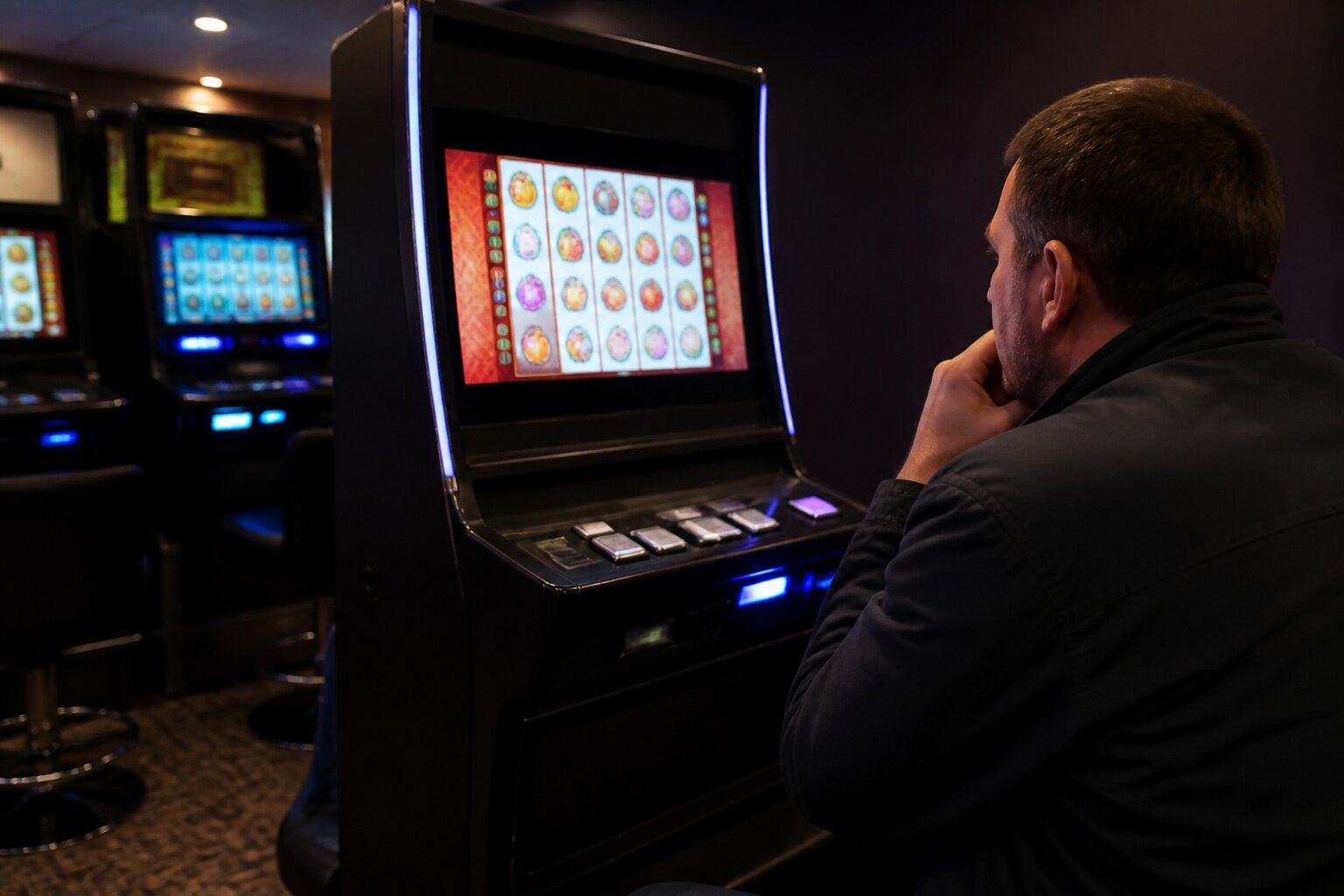
Have you ever wondered if those betting machines in bookies are fair, or if the odds are secretly stacked against you? Fixed Odds Betting Terminals, or FOBTs, have prompted plenty of questions over the years, and it helps to cut through the noise.
This article explains how FOBTs work, how payouts are set, what regulations apply and how to spot a legitimate machine. Read on for clear facts and practical context so you know what to expect before you play.
What Is a Fixed Odds Betting Terminal?
A Fixed Odds Betting Terminal (FOBT) is an electronic gaming machine commonly found in licensed betting shops across the UK. You’ll recognise them as the touchscreen kiosks often lined up inside high-street bookmakers.
FOBTs run digital versions of games such as roulette, slot-style games, blackjack and bingo. The term “fixed odds” refers to the fact that each bet has a stated set of odds displayed on screen before you place any stake.
You must be at least 18 to use a FOBT, and machines are only permitted in licensed betting shops. Once you choose a stake and a market, the terminal handles the rest electronically. Outcomes are produced by internal systems rather than by any physical mechanism you can see.
How Do FOBTs Calculate Wins and Losses?
FOBT outcomes are produced by a Random Number Generator (RNG), a certified piece of software that creates unpredictable results for each game. The RNG runs continuously to produce numbers that correspond to possible game outcomes. Because the RNG generates each result independently, previous outcomes do not influence later ones and each play is treated as a separate event.
Regulators require certified RNGs and routine testing to confirm they produce random, unbiased results. Typical regulatory and compliance measures include:
- independent certification by recognised testing laboratories
- periodic audits and ongoing monitoring of RNG performance
- clear display of machine settings and return-to-player information for inspection
The machine displays the odds and potential payouts before play, so the level of risk is transparent from the outset. Common on-screen information includes:
- the odds of different results or prize tiers
- the payout amounts for each winning combination
- the stated return-to-player percentage and any applicable game rules
RNG-driven results are statistical in nature: they determine the distribution of outcomes over many plays rather than guaranteeing a particular result in any single session. That means the stated return-to-player is a long-term average across millions of plays, and short-term sessions can show significant variance. Players can experience runs of wins or losses simply due to chance, even though the overall statistics remain consistent over time.
Are FOBT Machines Fair or Fixed?
Machines are not fixed in the sense of being manipulable by staff or operators after being deployed. Before a game is offered, it must be tested and certified to meet regulatory standards; regular checks continue once it’s in the shop to ensure compliance.
When people ask if a machine is “fair,” they usually mean whether outcomes can be tampered with or deliberately altered in play. The systems and oversight in place prevent that kind of interference: outcomes come from certified RNGs and operators do not have a mechanism to change results on demand.
It remains true that gambling carries risk. Fair operation does not equal guaranteed wins, and the expected return is determined by the game’s design rather than by the player’s choices or timing.
How Are Payouts Determined on FOBTs?
Payouts are expressed using a Return to Player (RTP) percentage, which shows the average amount a game is designed to return to players over a long period. For example, an RTP of 94% implies that, over an extended sample of play, the machine will return around £94 for every £100 staked.
RTP is a theoretical long-term average set by the game developer and authorised by regulators. It helps indicate the house edge, but it does not predict the result of any single session. Short-term results can differ markedly from the RTP because individual outcomes are random.
Payouts are applied automatically by the machine when a winning outcome occurs; the displayed RTP and odds give players the information they need to understand expected returns before they bet.
What Regulations Govern FOBT Machines in the UK?
FOBTs operate under a strict regulatory framework designed to protect players and ensure fair play. The regulator sets standards for game testing, machine certification, stake and prize limits, and the information that must be displayed to customers.
Operators must have machines independently tested and keep records of compliance. Rules also require visible information about odds and payouts and insist on measures to reduce harm, such as staff training to identify risky behaviour and provision of support information for anyone who asks.
These safeguards mean machines on the high street are subject to oversight and routine checks to make sure they remain within permitted parameters.
Myths and Misconceptions About FOBT Machines
There are several persistent myths that can mislead people about how FOBTs behave. These misunderstandings often arise from the way random events look to humans, not from faults or deliberate changes in the machines. Below we set out the facts behind the most common misconceptions.
“The machine is due for a win.”
Each outcome on a fixed-odds betting terminal is independent. A sequence of losses does not make a subsequent win any more likely, and a run of wins does not make losses more likely.
The odds are set by the game design and mathematical return to player. That means past results do not change the machine’s probability of paying out on the next play.
“Machines get hot or cold.”
Apparent streaks or runs of similar results are the result of random variation and the nature of probability, not a change in the machine’s behaviour. People tend to notice patterns more readily than randomness, which can create the impression of temperature swings.
Over time, these natural fluctuations average out to the expected probabilities, consistent with how random processes behave.
“Staff can control the results.”
Once a game round is live, staff cannot influence the outcome. The systems use random number generation and are subject to regulatory testing and certification.
There are also audit trails and oversight mechanisms to detect tampering or faults, which makes deliberate manipulation by operators extremely unlikely and detectable.
“Playing at a certain time increases your chances.”
The programmed odds and random number generator are not affected by the clock or how busy a shop is. Playing at different times may change how many people you see around you, but it does not change the machine’s underlying probability of a win.
Any apparent differences in results by time are down to chance and sample size, rather than timing-based changes in the machine.
These points make clear that patterns people think they see are usually misunderstandings of random variation and game design, rather than evidence of manipulation. If you have concerns about a specific terminal, report them to the venue or the relevant regulator for investigation.
How to Identify a Legitimate FOBT Machine
Playing on a legitimate machine reduces the chance of encountering problems. Licensed shops will display licensing information and details about the operator. Machines themselves should show testing or certification details, and staff ought to be able to confirm these if asked.
Look for clear, visible information on the machine. Typical signs of a legitimate device include:
- displayed licence number and operator details
- testing or certification marks on the casing or screen
- clear information about odds and RTP (return to player)
- accessible help and support options, including how to get assistance
If a machine lacks visible certification, clear odds or access to help resources, it is a sign to avoid it. Stick to machines in regulated venues and ask staff if you are unsure about certification or how to verify the device. A short check can save you confusion later.
Responsible Gambling and FOBTs
Gambling should remain an activity you control. Operators provide measures such as age verification, limit-setting tools, temporary time-outs and self-exclusion options to help players manage their play. Staff are trained to offer information and to refer people to specialist support if concerns arise.
If you feel your play is causing problems, you can use available tools to restrict access or seek confidential advice from specialist services. Asking for help or applying limits are sensible steps that protect both your funds and your wellbeing.
Stay aware of how much you spend, and use the help options offered if you need them. That way, play can stay within bounds that suit you.
**The information provided in this blog is intended for educational purposes and should not be construed as betting advice or a guarantee of success. Always gamble responsibly.